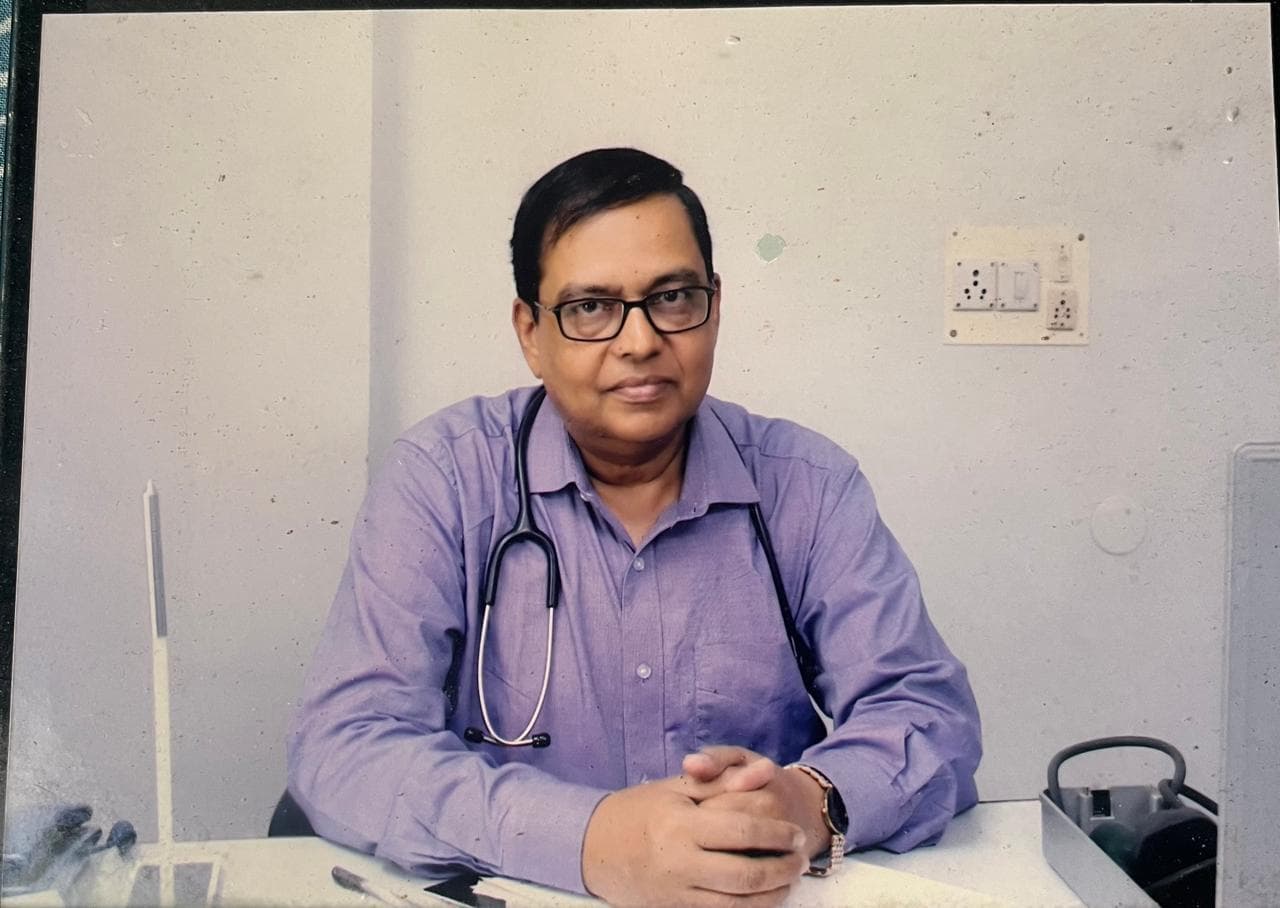

Neurosurgical care in Malda encompasses the diagnostic evaluation, medical monitoring, and surgical intervention for disorders of the human nervous system—including the brain, spinal column, spinal cord, and peripheral nerve pathways. At Neuro Panacea Hospitals, qualified neurosurgeons Dr. Sushen Chattopadhyay and Dr. Sayak Chattopadhyay provide outpatient specialist consultations, elective surgical procedures, and 24/7 trauma emergency response.
Access to neurosurgical evaluation in Malda is vital for patients across the district, as well as neighbouring regions including Murshidabad, South Dinajpur, and Raiganj. Historically, patients requiring advanced cranial or spinal evaluations faced arduous journeys to tertiary medical colleges in Kolkata or Siliguri. The establishment of hospital-based neurosurgical facilities in Malda enables prompt clinical assessments, reduces treatment delays during traumatic emergencies, and ensures continuous post-operative rehabilitation close to home.
Consulting a neurosurgical specialist does not automatically imply that surgery is mandatory. In clinical practice, a substantial proportion of patients evaluated for neck pain, back pain, or mild head injuries are managed effectively through non-surgical therapies, specialized physical rehabilitation, medical surveillance, and periodic imaging reviews.
What Does a Neurosurgeon Do?
What is neurosurgery?
Neurosurgery is the medical specialty focused on the prevention, diagnosis, surgical treatment, and rehabilitation of disorders affecting any portion of the nervous system. This includes the cerebral hemispheres, skull base, spinal vertebrae, intervertebral discs, the spinal cord, and peripheral nerves extending through the extremities.
What conditions does a neurosurgeon treat?
Neurosurgeons evaluate and manage a broad spectrum of structural and pathological neurological conditions. Clinical practice covers:
- Benign and malignant brain tumors
- Traumatic brain injury (TBI) & skull fractures
- Intracranial hemorrhage (subdural, epidural, intracerebral)
- Hydrocephalus (cerebrospinal fluid buildup)
- Vascular lesions & selected aneurysm clipping
- Herniated cervical and lumbar discs (sciatica)
- Spinal stenosis and cord compression (myelopathy)
- Spinal trauma, fractures, and instability
- Carpal tunnel & peripheral nerve compression
- Selected congenital spinal dysraphisms
When Should You See a Neurosurgeon?
Many individuals are referred to a neurosurgeon following an initial medical consultation with a general physician, neurologist, or orthopedic surgeon. In other instances, persistent symptoms or abnormal diagnostic imaging may prompt a direct specialist review. Situations where a neurosurgical consultation is appropriate include:
| Clinical Presentation | Underlying Indicator | Consultation Urgency |
|---|---|---|
| Radiating neck/back pain with limb numbness | Nerve root compression (cervical/lumbar radiculopathy) | Routine Outpatient OPD |
| Abnormal brain or spine MRI showing a mass | Suspected neoplasm, cyst, or structural lesion | Prompt Specialist Review |
| Difficulty walking with stiff or clumsy legs | Cervical or thoracic spinal cord compression (myelopathy) | Expedited Clinical Evaluation |
| Head trauma with brief dizziness or laceration | Mild head injury, concussion surveillance | Immediate Urgent Care |
| Sudden paralysis, coma, or loss of bowel/bladder | Acute intracranial bleed, herniation, or cauda equina | URGENT: Immediate Attention |
🏥 When Is Neurosurgical Care an Emergency?
Certain neurological symptoms signal rapid intracranial or spinal decompensation that cannot wait for an outpatient appointment. Seek immediate emergency medical attention if someone exhibits:
- Sudden weakness or complete paralysis of the face, arm, or leg
- Sudden loss of consciousness or progressive lethargy following a head impact
- Severe head injury from a road accident, high fall, or penetrating trauma
- Sudden catastrophic headache described as the "worst headache of life"
- Rapidly worsening neurological deficits over hours or days
- Acute loss of bowel or bladder control coupled with numbness in the groin or severe back pain (Cauda Equina Syndrome)
Neurosurgical Conditions Treated in Malda
Our hospital provides comprehensive diagnostic evaluation and surgical treatment across three primary subspecialty categories:
🧠 1. Brain Conditions
Evaluation and operative management of cranial space-occupying lesions, trauma, and cerebrospinal fluid disorders:
🦴 2. Spine Conditions
Surgical and conservative management of degenerative disc disease, spinal instability, and cord compression:
⚡ 3. Peripheral Nerve Conditions
Microsurgical decompression and repair for entrapment neuropathies and peripheral nerve injuries:
Neurosurgical Procedures Performed
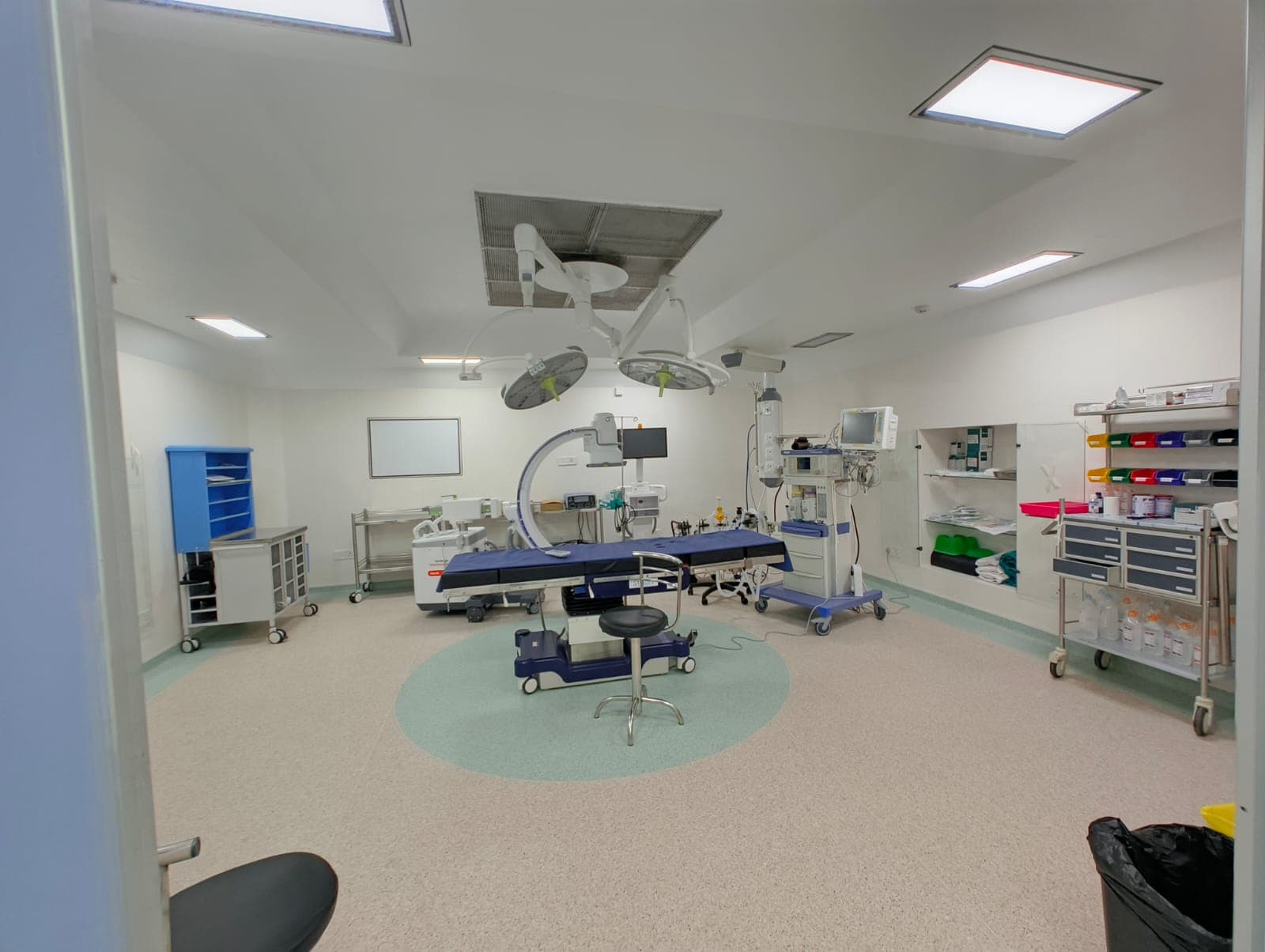
All neurosurgical procedures at Neuro Panacea Hospitals are carried out in specialized operating suites equipped with laminar airflow, microsurgical instrumentation, and advanced anesthetic monitoring. Available procedures include:
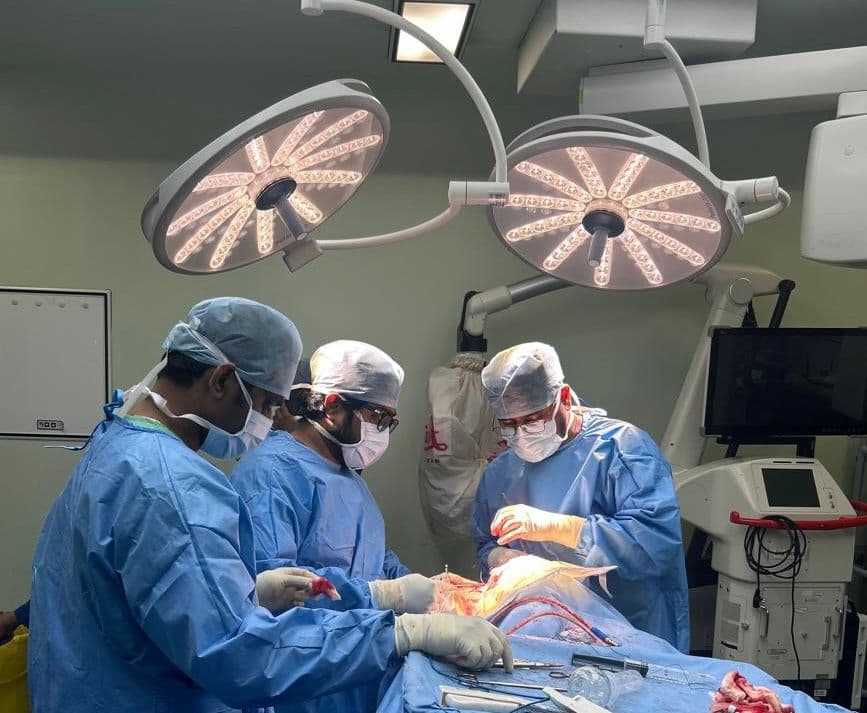
- Craniotomy & Craniectomy: Surgical opening of the skull to resect brain tumors, evacuate traumatic hematomas, or relieve acute intracranial pressure.
- Ventriculoperitoneal (VP) Shunt Placement: Diverting excess cerebrospinal fluid from the brain ventricles to the peritoneal cavity in hydrocephalus.
- Microdiscectomy: Targeted microsurgical excision of herniated disc fragments compressing spinal nerve roots to relieve sciatica.
- Spinal Decompression (Laminectomy / Laminotomy): Relieving bone and ligamentous narrowing in lumbar and cervical spinal stenosis.
- Spinal Fixation & Fusion: Pedicle screw instrumentation and fusion for traumatic vertebral fractures or spondylolisthesis instability.
- Peripheral Nerve Release: Open or mini-incision decompression for median nerve release at the wrist or ulnar nerve at the elbow.
Neurosurgery Specialists in Malda
The following qualified neurosurgeons practice at Neuro Panacea Hospitals in Malda, West Bengal. Details are provided factually from verified institutional records without comparative rankings:
Dr. Sushen Chattopadhyay
Dr. Sushen Chattopadhyay is a senior neurosurgeon practicing in Malda with over four decades of clinical and operative experience. Affiliated with Neuro Panacea Hospitals, his practice centers on cranial surgery, complex spine disorders, neurotrauma, and surgical stroke management.
Dr. Sayak Chattopadhyay
Dr. Sayak Chattopadhyay is a neurosurgeon practicing in Malda, affiliated with Neuro Panacea Hospitals. His clinical areas of practice include neurotrauma, neuro-oncology (brain tumor management), general spine surgery, and minimally invasive spinal procedures.
How to Choose a Neurosurgeon in Malda
Patients and families frequently search for the "best neurosurgeon in Malda" when faced with a serious diagnosis. In professional medical practice, there is no single objective measure that determines one doctor as universally superior. The appropriate specialist depends on your specific diagnosis, surgical complexity, doctor training, and hospital facilities.
When evaluating a neurosurgeon in Malda, patients should weigh the following six objective criteria:
1. Recognized Qualifications
Ensure the clinician holds a recognized superspecialty degree: MCh (Neurosurgery) or DNB (Neurosurgery) following primary surgical post-graduation (MS/DNB).
2. Verifiable Medical Registration
Confirm active medical registration with the West Bengal Medical Council (WBMC) or the National Medical Commission (NMC).
3. Relevant Clinical Focus
Verify whether the neurosurgeon regularly treats your exact condition (e.g. spine disc herniation vs brain tumors vs acute trauma).
4. Hospital Critical Care & ICU
Neurosurgical operations require a fully equipped Intensive Care Unit (ICU) with ventilator support, central oxygen, and continuous neuro-monitoring.
5. Multidisciplinary Teamwork
Complex neurological care requires close collaboration between neurosurgeons, neurologists, anesthesiologists, radiologists, and physiotherapists.
6. 24/7 Emergency Access
Neurological conditions can deteriorate abruptly. Inquire if the hospital provides around-the-clock emergency surgical readiness.
Neurosurgeon vs. Neurologist: What is the Difference?
Patients frequently wonder whether they should consult a neurologist or a neurosurgeon. While both specialists focus on the nervous system, their training pathways, treatment approaches, and procedural scopes differ significantly:
| Parameter | Neurosurgeon | Neurologist |
|---|---|---|
| Primary Treatment Modality | Surgical and procedural intervention (also manages non-surgical cases) | Medical pharmacology, lifestyle management, non-surgical therapies |
| Typical Conditions Managed | Brain tumors, spinal disc herniation, hematomas, TBI, spinal stenosis | Epilepsy, migraines, dementia, Parkinson's disease, neuropathies |
| Training Pathway | MBBS → MS (Surgery) → MCh / DNB (Neurosurgery) | MBBS → MD (Medicine/Pediatrics) → DM / DNB (Neurology) |
| Perform Brain / Spine Surgeries? | Yes (Licensed Operating Surgeon) | No (Non-operative medical physician) |
Imaging and Neurosurgical Diagnostic Evaluation
Diagnostic neuroimaging is fundamental to structural assessment. However, the appropriate imaging study depends strictly on clinical examination and symptoms; not every patient requires every test:
- Magnetic Resonance Imaging (MRI): Gold standard for evaluating soft tissues, brain tumors, spinal cord compression, disc herniation, and nerve roots.
- Computed Tomography (CT Scan): Preferred in acute head trauma for rapid detection of skull fractures, acute intracranial hemorrhage, and bone detail.
- Digital X-Rays: Utilized to assess spinal alignment, dynamic flexion-extension stability, and skeletal trauma.
- CT or MR Angiography: Non-invasive vascular imaging utilized when vascular malformations, aneurysms, or arterial dissections are suspected.
What to Bring to a Neurosurgical Consultation
To maximize consultation value and avoid unnecessary repeat testing, please carry the following documents:
Neurosurgical Services at Neuro Panacea Hospitals
Neuro Panacea Hospitals provides comprehensive, hospital-based neurosurgical infrastructure situated at Nageswarpur, Malda. Our operational capabilities include:
Six-day-a-week clinical OPD for elective spine, cranial, and second-opinion consultations.
Continuous emergency triage and rapid surgical stabilization for acute head and spine trauma.
Dedicated post-operative neuro-critical care with ventilator management and hemodynamic monitoring.
Equipped with laminar airflow, specialized neurosurgical operating microscopes, and radiologic C-arm guidance.
Related Clinical Guides & Patient Articles
Explore peer-reviewed educational articles and clinical guides published by our neurosurgical team: