![][image1]![][image2] Epilepsy: 10 Myths That Delay Treatment
Epilepsy is one of the most common neurological conditions in India, affecting an estimated 10 to 15 million people (WHO, 2025). Yet myths and misconceptions about epilepsy remain widespread and they do real harm. When families believe seizures are caused by spirits, or that epilepsy medication is addictive, treatment gets delayed by months or years. In many parts of India, the treatment gap reaches 90% (Indian Epilepsy Society, 2023). This article separates fact from fiction because understanding epilepsy correctly is the first step toward effective treatment.
What Is Epilepsy?
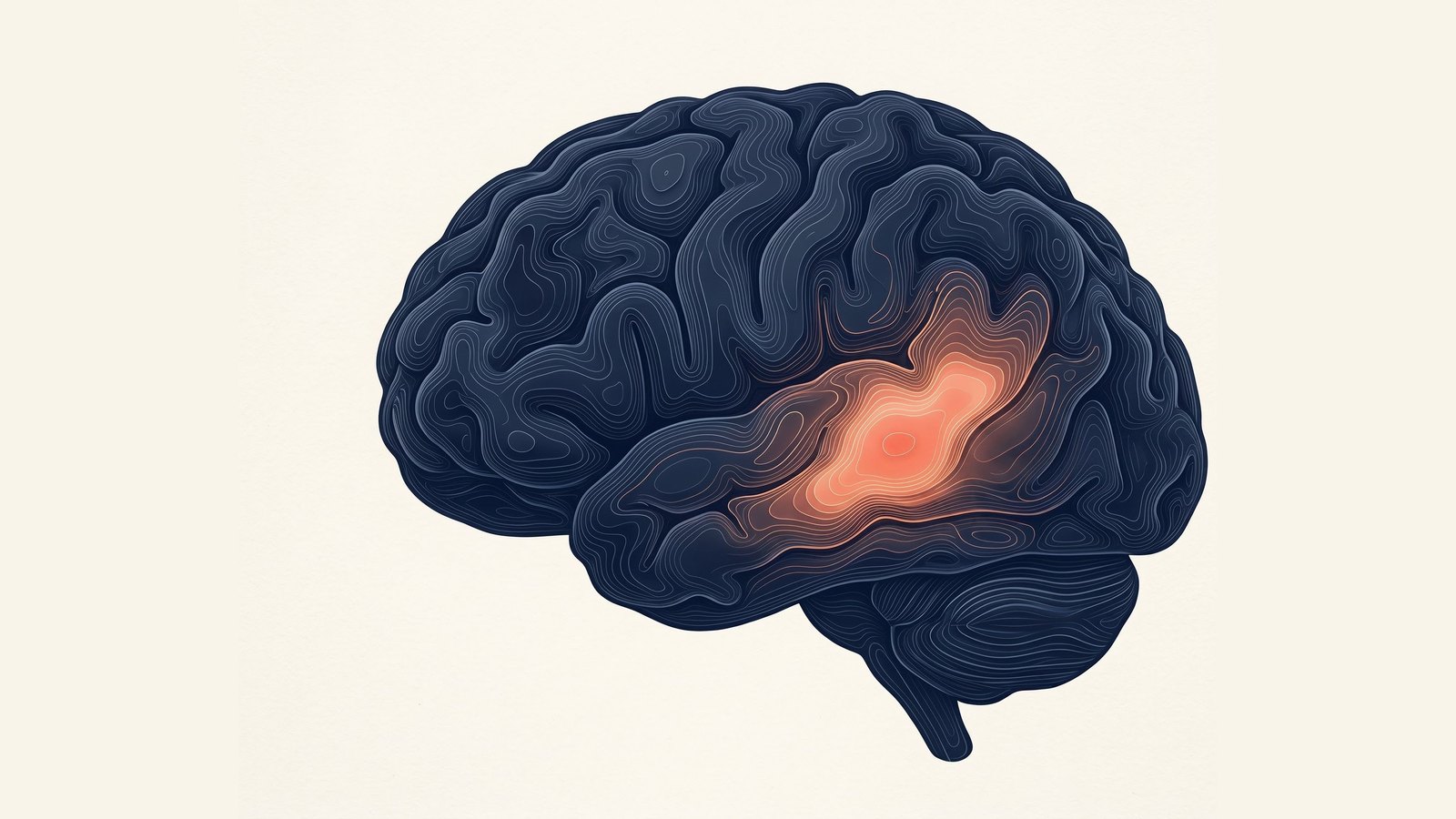
Epilepsy is a chronic brain disorder characterised by recurrent, unprovoked seizures. A seizure occurs when groups of nerve cells in the brain fire abnormal electrical signals, temporarily disrupting normal communication between brain cells.
A person is typically diagnosed with epilepsy after experiencing two or more unprovoked seizures at least 24 hours apart (ILAE, 2025). Epilepsy affects people of all ages, genders, and backgrounds. It is not rare . It affects approximately 50 million people worldwide, with nearly 80% living in low- and middle-income countries like India (WHO, 2025).
The condition has many causes: genetic factors, brain injury, infections (such as meningitis or neurocysticercosis, a common cause in India), stroke, and brain tumours. In many cases, the exact cause remains unknown.
The 10 Myths and the Facts
Myth 1: Epilepsy is contagious
Fact: Epilepsy cannot spread from person to person through touch, saliva, or proximity. It is a neurological condition caused by abnormal electrical activity in the brain, not an infection. You cannot “catch” epilepsy by touching someone during a seizure.
Myth 2: Epilepsy is a mental illness
Fact: Epilepsy is a neurological disorder, not a psychiatric condition. It originates from abnormal electrical discharges in the brain, not from emotional or psychological problems. People with epilepsy have the same range of intelligence and cognitive ability as the general population. Confusing epilepsy with mental illness increases stigma and prevents people from seeking neurology care.
Myth 3: Seizures are caused by evil spirits or past sins
Fact: This is one of the most damaging myths in India, particularly in rural communities. Studies published in the Indian Journal of Psychiatry show that a significant proportion of families first consult faith healers rather than neurologists delaying effective treatment by months or even years. Epilepsy has biological causes: genetics, brain injury, infections, or structural brain abnormalities. It has nothing to do with supernatural forces.
Myth 4: All seizures involve convulsions and loss of consciousness
Fact: Seizures take many forms. Generalised tonic-clonic seizures (previously called “grand mal”) involve body stiffening and jerking; these are what most people picture. But many seizures look nothing like this. Absence seizures cause brief staring spells lasting a few seconds. Focal seizures may cause unusual sensations, involuntary movements in one limb, or temporary confusion without any collapse. Because these subtler seizures are not recognised as epilepsy, many patients especially children go undiagnosed for years (ILAE, 2025).
Myth 5: You should put something in the mouth of a person having a seizure
Fact: This is dangerous and should never be done. A person cannot swallow their tongue during a seizure. Forcing a spoon, cloth, or fingers into the mouth can break teeth, injure the jaw, or cause choking. Instead, gently turn the person onto their side, clear the area of sharp objects, and do not restrain them. Time the seizure. If it lasts more than 5 minutes, call emergency services. (Mayo Clinic, 2025)
Myth 6: People with epilepsy cannot lead normal lives
Fact: With proper treatment, approximately 70% of people with epilepsy can achieve complete seizure control (WHO, 2025). Many work full-time, drive (where seizure-free periods are met), exercise, travel, and raise families. Epilepsy does not define a person’s capabilities. The real barrier is stigma not the condition itself.
Myth 7: Epilepsy medication is addictive and should be avoided
Fact: Anti-seizure medications (ASMs) are not addictive. They work by stabilising electrical activity in the brain and must be taken consistently as prescribed by your neurologist. Stopping medication abruptly which many patients do because of this myth is dangerous and can trigger severe breakthrough seizures or status epilepticus (a prolonged seizure that is a medical emergency). Never adjust or stop your medication without consulting your doctor.
Myth 8: Epilepsy only affects children
Fact: Epilepsy can begin at any age. While onset is most common in childhood and after age 60, new cases are diagnosed across all age groups. In older adults, stroke and neurodegenerative diseases are common triggers. A 2022 Lancet Global Health study on neurological disorders in India found that epilepsy contributed 11.3% of the total neurological disease burden between 1990 and 2019 across all age brackets.
Myth 9: If the seizures stop, you can stop the medication
Fact: Seizure freedom does not mean the epilepsy is “cured.” Many patients require medication for years, sometimes lifelong, to maintain seizure control. Your neurologist may consider gradually tapering medication after 2 - 3 years of seizure freedom but this decision involves careful EEG monitoring and clinical assessment. Stopping on your own dramatically increases seizure recurrence risk.
Myth 10: There is no effective treatment for epilepsy
Fact: This may be the most harmful myth of all. Multiple effective treatments exist:
-
Anti-seizure medications (ASMs): First-line treatment. Options include lamotrigine, levetiracetam, carbamazepine, valproate, and newer agents like cenobamate which has shown strong results in drug-resistant epilepsy (ILAE, 2025).
-
Epilepsy surgery: For patients with focal epilepsy that does not respond to two or more medications, surgery to remove the seizure focus can result in seizure freedom in over 50% of selected cases.
-
Neuromodulation devices: Vagus Nerve Stimulation (VNS), Responsive Neurostimulation (RNS), and Deep Brain Stimulation (DBS) offer seizure reduction for patients who are not surgical candidates.
-
Dietary therapy: The ketogenic diet, supervised by a medical team, can reduce seizures in some drug-resistant cases, particularly in children.
.
When to See a Neurologist
Do not wait for a “big” seizure before seeking help. Consult a neurologist if you or a family member experiences:
-
Recurrent unexplained staring spells (especially in children)
-
Involuntary jerking movements in the arms or legs
-
Temporary confusion or loss of awareness
-
A first-ever seizure at any age
-
Breakthrough seizures despite being on medication
-
Seizures lasting more than 5 minutes
Early diagnosis leads to better outcomes. The earlier treatment begins, the greater the chance of achieving long-term seizure control.
If you want an expert evaluation, book an appointment with our neurology team or learn about our neurosciences centre.
Frequently Asked Questions
Can epilepsy be cured completely?
For some patients, yes. About 70% of people with epilepsy can achieve seizure freedom with medication (WHO, 2025). In some cases particularly when epilepsy is caused by a specific brain lesion surgery can provide a long-term cure. However, many patients require ongoing medication. “Cure” depends on the underlying cause, seizure type, and individual response to treatment.
Is epilepsy hereditary?
Epilepsy has a genetic component in some cases. If one parent has epilepsy, the risk of their child developing the condition is slightly higher than the general population but it is not inevitable. Most children of parents with epilepsy do not develop the condition. Genetic testing can help identify specific epilepsy syndromes where inheritance plays a larger role.
What should I do if someone has a seizure in front of me?
Turn the person gently onto their side. Clear the area of sharp or hard objects. Do not put anything in their mouth. Do not hold them down. Time the seizure. If it lasts more than 5 minutes, or if the person does not regain consciousness, call emergency services immediately. Stay calm and stay with the person until the seizure ends.
Can a person with epilepsy drive?
In India, driving regulations vary by state, but generally, a person with epilepsy may be allowed to drive if they have been seizure-free for a specified period (typically 1–2 years) and their neurologist certifies fitness to drive. This should be discussed with your treating doctor.
Does Neuro Panacea Hospital treat epilepsy?
Yes. Our team provides comprehensive epilepsy care from first diagnosis through medication management, pre-surgical evaluation, and ongoing rehabilitation. To learn more, visit our neurosciences centre page or call our helpline.
Last updated: March 21, 2026